Introduction
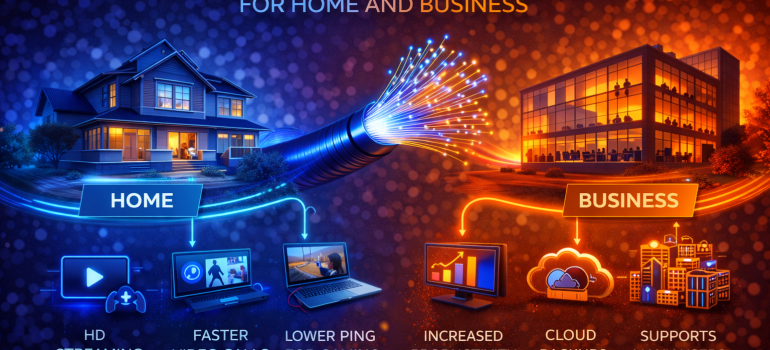
In today’s digital world, internet speed and reliability are more important than ever. Whether you are working from home, running a business, streaming 4K content, or playing online games, a stable and fast internet connection is essential. Fiber internet has become the gold standard for high-speed connectivity due to its advanced technology and superior performance.
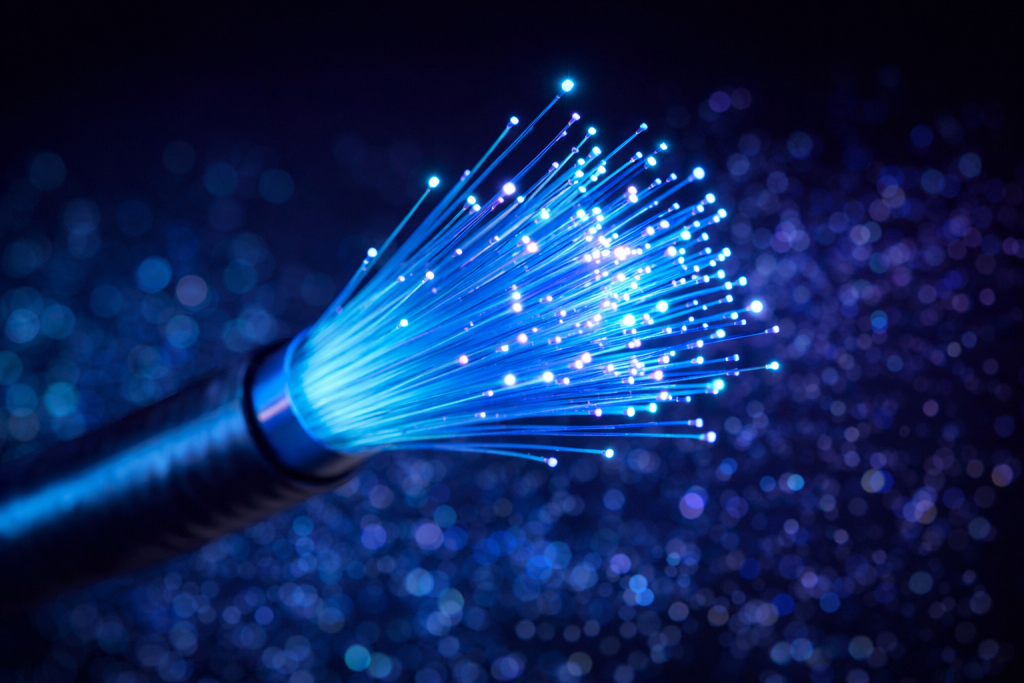
Unlike traditional DSL or cable broadband that use copper wires, fiber internet transmits data through fiber-optic cables using light signals. This allows information to travel faster and more efficiently, resulting in better overall performance.
1. Ultra-Fast Internet Speed
One of the biggest advantages of fiber internet is speed. Fiber connections can deliver speeds up to 1Gbps or even higher, depending on your plan.
This means:
- Instant website loading
- Smooth 4K and 8K streaming
- Fast large file downloads
- Seamless cloud backups
Traditional broadband connections often slow down during peak hours, but fiber maintains consistent performance even when many users are online.
2. Symmetrical Upload and Download Speeds
Most cable broadband connections offer high download speeds but very slow upload speeds. Fiber internet, however, provides symmetrical speeds.
This is especially important for:
- Video conferencing
- Uploading large files
- Content creators
- Remote work
With fiber, uploading is just as fast as downloading.
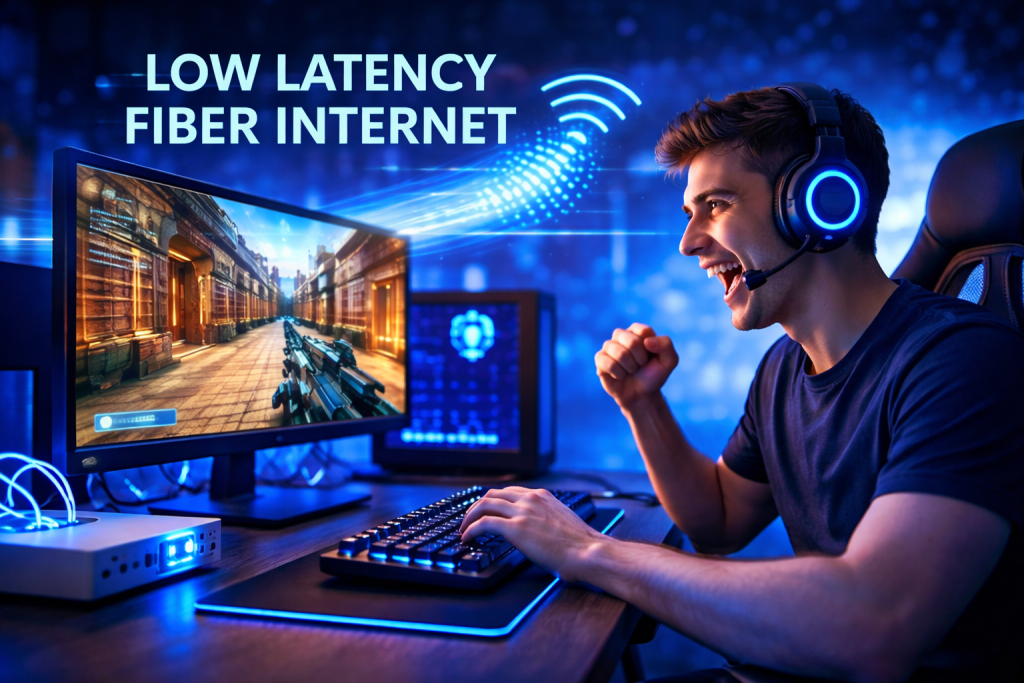
3. Low Latency for Real-Time Activities
Latency refers to the delay between sending and receiving data. Fiber internet has extremely low latency because light signals travel faster than electrical signals.
Low latency is crucial for:
- Online gaming
- Zoom or Google Meet calls
- Live streaming
- Stock trading
Gamers especially benefit from reduced lag and smoother gameplay.
4. More Reliable Connection
Fiber cables are made of glass or plastic and are less vulnerable to environmental interference compared to copper cables.
Fiber internet is:
- Less affected by weather
- Resistant to electrical interference
- More stable during peak usage
This makes fiber ideal for both home and business users who need uninterrupted connectivity.
5. Better Performance for Multiple Devices
Modern households have many connected devices:
- Smartphones
- Smart TVs
- Laptops
- CCTV cameras
- Smart home devices
Fiber internet can handle multiple devices simultaneously without slowing down. Even if several users are streaming, gaming, and browsing at the same time, performance remains smooth.
6. Ideal for Businesses
Businesses require stable internet for daily operations such as:
- Cloud computing
- VoIP calls
- Online transactions
- Video meetings
Fiber internet ensures business continuity by minimizing downtime and increasing productivity.

7. Future-Proof Technology
Fiber infrastructure supports much higher bandwidth than traditional copper cables. This means it can handle future upgrades without needing major replacement.
As internet demand increases, fiber networks can scale easily. Investing in fiber today means you are prepared for tomorrow’s digital needs.
8. Enhanced Security
Fiber optic cables are more secure than copper cables because they are harder to tap or intercept. This provides an additional layer of protection for sensitive data.
For businesses and professionals, this added security is extremely valuable.
9. Energy Efficient and Durable
Fiber cables consume less power compared to traditional copper systems. They also last longer and require less maintenance.
This makes fiber not only faster but also more environmentally friendly and cost-effective in the long term.
10. Increased Property Value
In many areas, properties with fiber internet access are more attractive to buyers and tenants. High-speed internet is now considered a modern necessity.
Installing fiber connectivity can increase the overall value and appeal of your property.


Hello Sam Online